BOOK REVIEW:
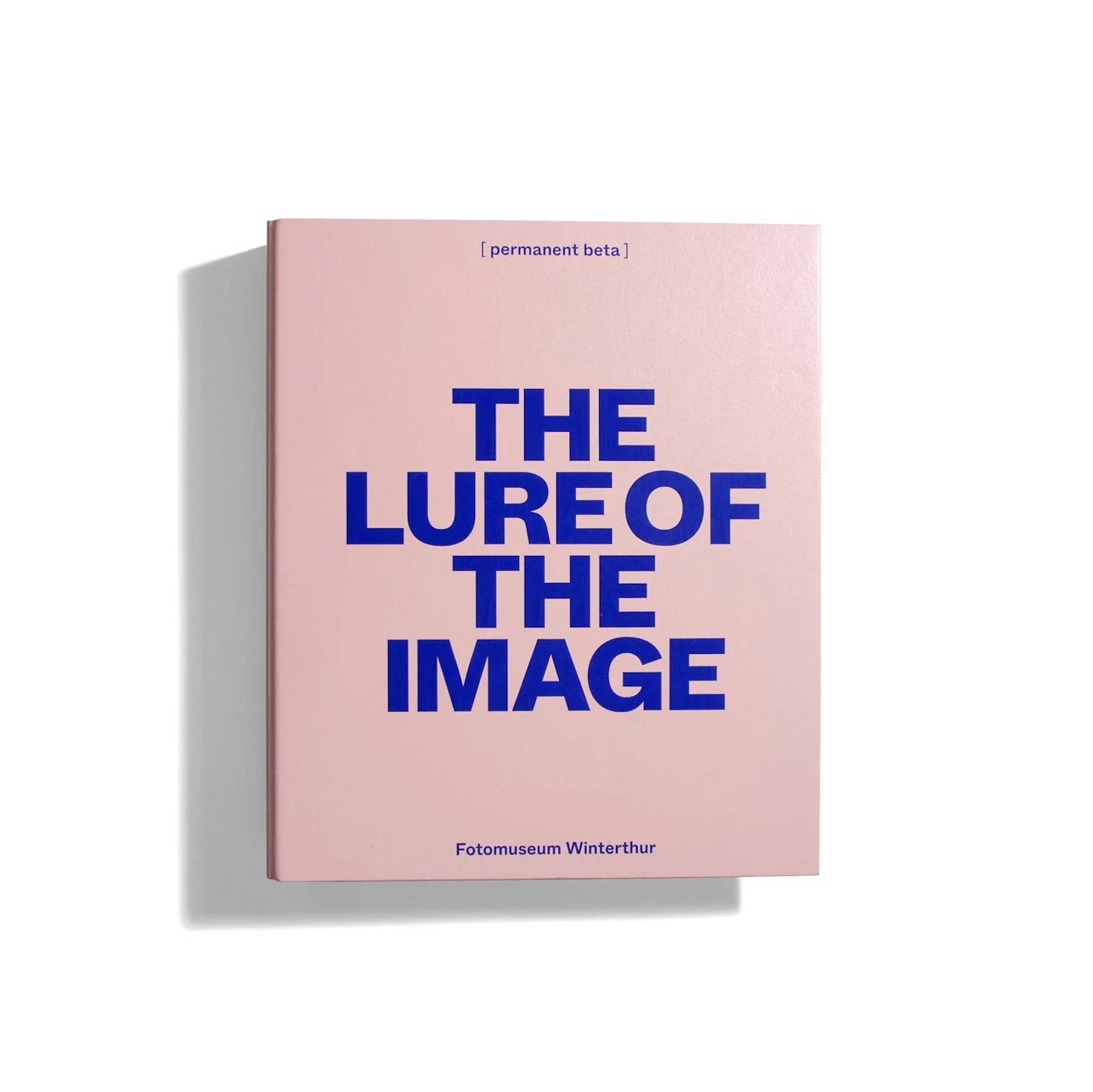
THE LURE OF THE IMAGE by Fotomuseum Winterthur/De Mutiis Marco/Gwendolyn Fässler/Doris Gassert/Alessandra Nappo
The Lure of the Image explores the seductive powers of contemporary digital forms of photography: How do images bait or beguile us, capture and control us as they circulate online? The artistic positions and essays assembled in this book engage with visual phenomena that serve as vehicles for online communication, criticism, and humor, highlighting the crucial role images play in shaping our digital social, cultural, and political landscapes. From Tinder profiles to beauty filters, from ASMR to memes and emoji, and from “cute” to “cursed” images, the book navigates the complex mechanisms of the lure exerted by networked visual culture. It sheds light on how images and their underlying structures—from algorithms to datasets—direct our attention, provoke emotions, and influence opinion, significantly impacting how we perceive, interpret, and move through both our online and our offline worlds. james taylor-foster is a writer and curator of design and digital culture with a training in architecture.
Read more soon...
THE LURE OF THE IMAGE by Fotomuseum Winterthur/De Mutiis Marco/Gwendolyn Fässler/Doris Gassert/Alessandra Nappo
The Lure of the Image explores the seductive powers of contemporary digital forms of photography: How do images bait or beguile us, capture and control us as they circulate online? The artistic positions and essays assembled in this book engage with visual phenomena that serve as vehicles for online communication, criticism, and humor, highlighting the crucial role images play in shaping our digital social, cultural, and political landscapes. From Tinder profiles to beauty filters, from ASMR to memes and emoji, and from “cute” to “cursed” images, the book navigates the complex mechanisms of the lure exerted by networked visual culture. It sheds light on how images and their underlying structures—from algorithms to datasets—direct our attention, provoke emotions, and influence opinion, significantly impacting how we perceive, interpret, and move through both our online and our offline worlds. james taylor-foster is a writer and curator of design and digital culture with a training in architecture.
Read more soon...
INTERVIEW:
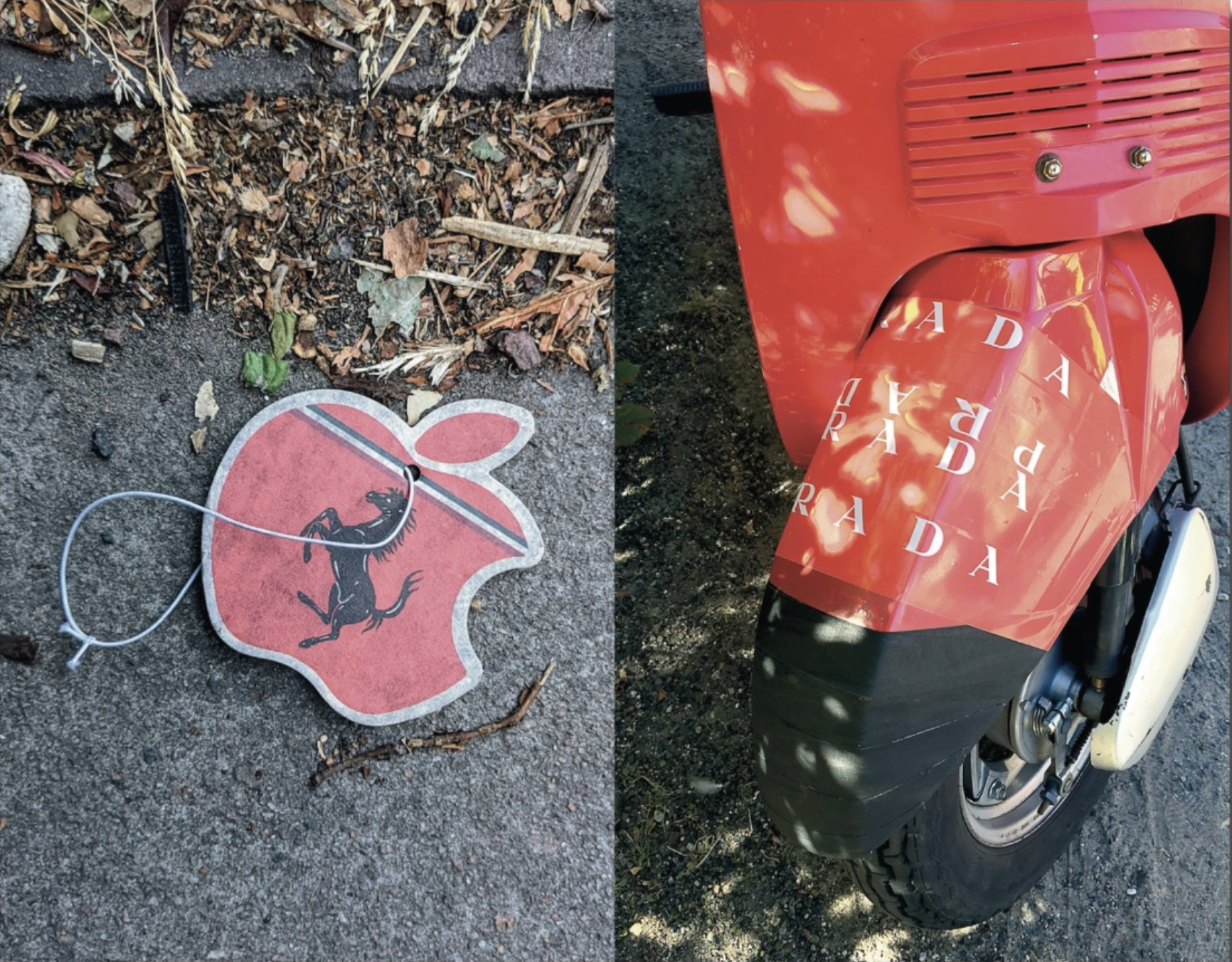
LOGO IN REAL LIFE: NOTES FOR A SOCIAL HISTORY OF VISUAL IDENTITY by Michele Galluzzo
This is the untold social history of logo's: where logos start living In Real Life, where they move away from corporate identity manuals and brand guidelines. This is where they do they encounter memes, counterfeits, protests, fashion, pop culture or counterculture more organically. Should we come to another understanding of logo's?
Read more soon...
LOGO IN REAL LIFE: NOTES FOR A SOCIAL HISTORY OF VISUAL IDENTITY by Michele Galluzzo
This is the untold social history of logo's: where logos start living In Real Life, where they move away from corporate identity manuals and brand guidelines. This is where they do they encounter memes, counterfeits, protests, fashion, pop culture or counterculture more organically. Should we come to another understanding of logo's?
Read more soon...
PLAYING IN THE RUINS
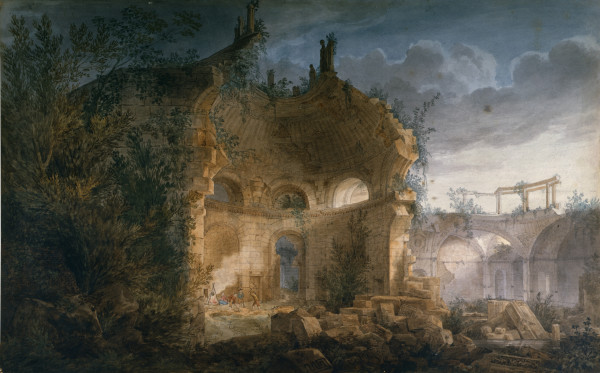
Next year will be the 30th anniversary of Bill Readings’ The University in Ruins, a book that offers a compelling structural diagnosis of the changing social roles of universities at the end of the twentieth century due to the decline of the nation-state and influences from market capitalism and globalisation. Put bluntly, Readings evidences these changes in the overbearing corporate discourses of "excellence" and the increased use of profit as a yardstick of success – sociologist Sheila Slaughter would go on, only a year later, to call this same cultural shift "academic capitalism." This paper specifically focuses on the strained pedagogical culture of the humanities in UK universities. In the context of the sustained, ruinous state of universities, this paper proposes that “play” – as a ludic means of resilience and resistance – offers valuable alternatives to the current state of further higher education in art and design more specifically. It concludes with a case study of playful practices at a private British-accredited university in central Europe.
Read more soon...
Next year will be the 30th anniversary of Bill Readings’ The University in Ruins, a book that offers a compelling structural diagnosis of the changing social roles of universities at the end of the twentieth century due to the decline of the nation-state and influences from market capitalism and globalisation. Put bluntly, Readings evidences these changes in the overbearing corporate discourses of "excellence" and the increased use of profit as a yardstick of success – sociologist Sheila Slaughter would go on, only a year later, to call this same cultural shift "academic capitalism." This paper specifically focuses on the strained pedagogical culture of the humanities in UK universities. In the context of the sustained, ruinous state of universities, this paper proposes that “play” – as a ludic means of resilience and resistance – offers valuable alternatives to the current state of further higher education in art and design more specifically. It concludes with a case study of playful practices at a private British-accredited university in central Europe.
Read more soon...
BOOK REVIEW:
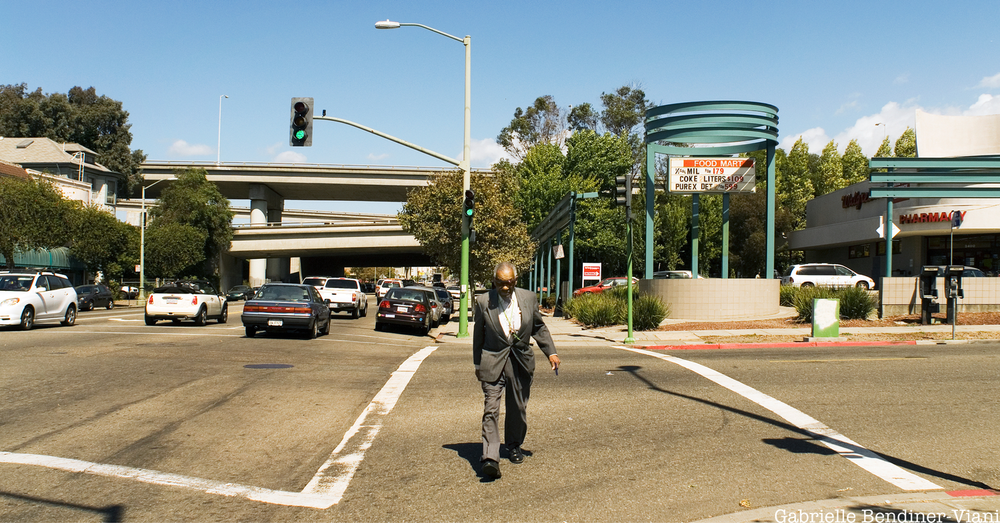
THE CITIES WE NEED: ESSENTIAL STORIES OF EVERYDAY PLACES by Gabrielle Bendiner-Viani
Through a series of photographs, guided walks and conversations spanning the last two decades, photographer and urbanist Gabrielle Bendiner-Viani shows that community is both essential and at risk. The Cities We Need: Essential Stories of Everyday Places makes the complex entanglement of commonplace social bonds that define the places where we live more visible and more tangible. She describes the book as being ‘about the work places do to support our becoming’.
Read more soon...
THE CITIES WE NEED: ESSENTIAL STORIES OF EVERYDAY PLACES by Gabrielle Bendiner-Viani
Through a series of photographs, guided walks and conversations spanning the last two decades, photographer and urbanist Gabrielle Bendiner-Viani shows that community is both essential and at risk. The Cities We Need: Essential Stories of Everyday Places makes the complex entanglement of commonplace social bonds that define the places where we live more visible and more tangible. She describes the book as being ‘about the work places do to support our becoming’.
Read more soon...

NINETY-NINE GRAPHIC DESIGN WORKSHOPS:
THE WAY WE ATTEND TO THINGS
How we experience the world depends on the ways we attend to it. We live in a moment when our everyday experiences are distracted by a cynical attention economy, as such, there is an urgent need for a new kind of vigilant attention. The workshops in this book are practical challenges to the ways we think about the world we live in. Without relying on specialist equipment or subject-specific knowledge they give clear instructions about how to be mindful of the real world in unusual ways. From the informal and playful to the critical and insightful, each workshop finishes with a diverse list of recommended further reading that extends well beyond the designer’s traditional bookshelf. With contributors ranging from designers and painters to philosophers, dancers, poets, and documentary filmmakers, this eclectic mix of workshops changes how we think about the creative potential of our day-to-day lives.
Read more soon...
THE WAY WE ATTEND TO THINGS
How we experience the world depends on the ways we attend to it. We live in a moment when our everyday experiences are distracted by a cynical attention economy, as such, there is an urgent need for a new kind of vigilant attention. The workshops in this book are practical challenges to the ways we think about the world we live in. Without relying on specialist equipment or subject-specific knowledge they give clear instructions about how to be mindful of the real world in unusual ways. From the informal and playful to the critical and insightful, each workshop finishes with a diverse list of recommended further reading that extends well beyond the designer’s traditional bookshelf. With contributors ranging from designers and painters to philosophers, dancers, poets, and documentary filmmakers, this eclectic mix of workshops changes how we think about the creative potential of our day-to-day lives.
Read more soon...
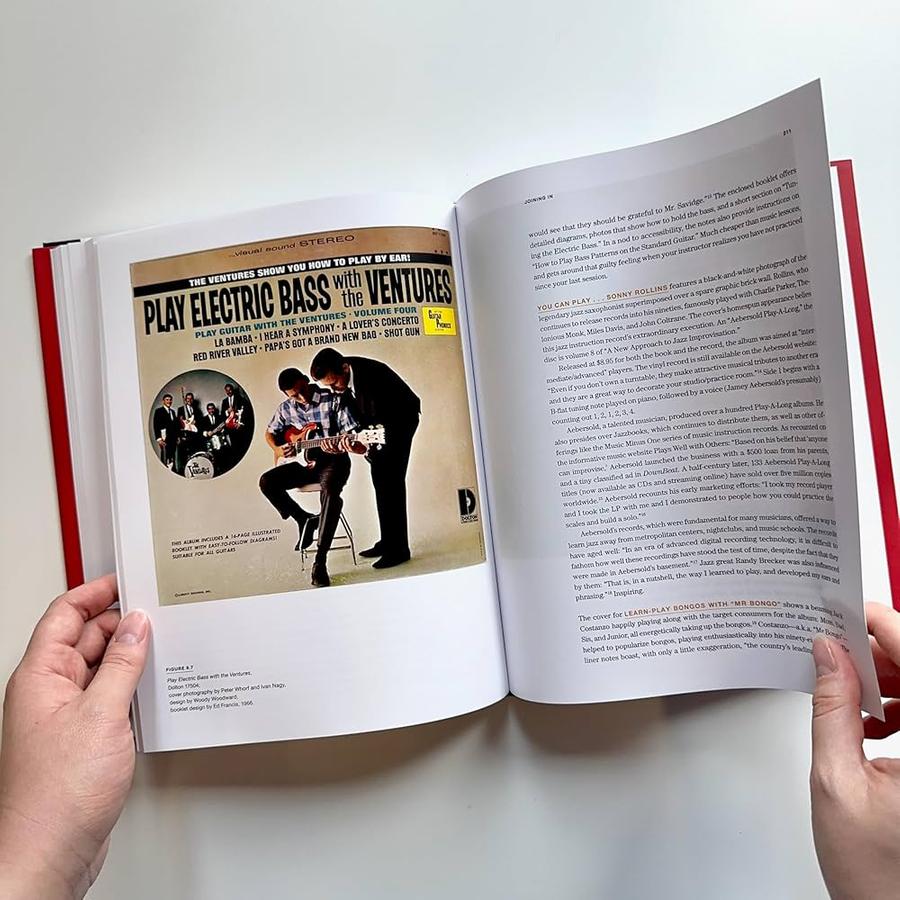
BOOK REVIEW:
DESIGNED FOR SUCCESS: BETTER LIVING AND SELF-IMPROVEMENT WITH MIDCENTURY INSTRUCTIONAL RECORDS By Janet Borgerson and Jonathan Schroeder
Designed for Success: Better Living and Self-Improvement with Midcentury Instructional Records is the final volume in Janet Borgerson and Jonathan Schroeder’s trilogy of books on midcentury American vinyl records. These “anthropological artifacts” (4), according to the authors, have been underestimated in comparison to the other more popular media of the same period, such as film, television, and magazines (2). This particular genre of records are often considered—when considered at all—oddball ephemera with little consequence to serious cultural history. As such, much like the two preceding books in this collection, the primary motivation of Designed for Success is to establish the worthiness of these records in contemporary cultural histories of midcentury America. The initial novelty and arguable urgency of this “extended visual argument” (30) has certainly waned since the first volume was named one of the best books of 2017 by the Financial Times but, that being said, the authors’ have not lost momentum and their fanatic enthusiasm is rock-steady throughout this new volume.
Read more soon...
DESIGNED FOR SUCCESS: BETTER LIVING AND SELF-IMPROVEMENT WITH MIDCENTURY INSTRUCTIONAL RECORDS By Janet Borgerson and Jonathan Schroeder
Designed for Success: Better Living and Self-Improvement with Midcentury Instructional Records is the final volume in Janet Borgerson and Jonathan Schroeder’s trilogy of books on midcentury American vinyl records. These “anthropological artifacts” (4), according to the authors, have been underestimated in comparison to the other more popular media of the same period, such as film, television, and magazines (2). This particular genre of records are often considered—when considered at all—oddball ephemera with little consequence to serious cultural history. As such, much like the two preceding books in this collection, the primary motivation of Designed for Success is to establish the worthiness of these records in contemporary cultural histories of midcentury America. The initial novelty and arguable urgency of this “extended visual argument” (30) has certainly waned since the first volume was named one of the best books of 2017 by the Financial Times but, that being said, the authors’ have not lost momentum and their fanatic enthusiasm is rock-steady throughout this new volume.
Read more soon...

TO BETTER TIMES
She died soon after their child was born, maybe he mentioned how it happened but I remember more clearly the hard way he told me he never wanted the baby. I hadn't met this man before, he must have sunk enough and drunk enough over the weeks since her death that his misery dissolved just as well into strangers as it did into himself. I was sixteen, nervous and glad to be alone as I sat on a curb waiting to play guitar at an open mic. Unsteady, he approached with the light of the pub at his back, his breath was vaporous but he was composed enough to talk straight about his feelings. He spoke so quietly, I wasn’t sure if he meant for anyone but himself to hear, still I listened. As he went on, the death of his lover was eclipsed by his mourning for the life he could never have. He wanted to travel to Asia or the Americas, he told me, but it didn’t matter now that he was lumped with this seven pound six ounce motherless burden. His words signalled in the space between us: “worry for my soul, watch me fall, but see how I know what broke me.”
Read more soon...
She died soon after their child was born, maybe he mentioned how it happened but I remember more clearly the hard way he told me he never wanted the baby. I hadn't met this man before, he must have sunk enough and drunk enough over the weeks since her death that his misery dissolved just as well into strangers as it did into himself. I was sixteen, nervous and glad to be alone as I sat on a curb waiting to play guitar at an open mic. Unsteady, he approached with the light of the pub at his back, his breath was vaporous but he was composed enough to talk straight about his feelings. He spoke so quietly, I wasn’t sure if he meant for anyone but himself to hear, still I listened. As he went on, the death of his lover was eclipsed by his mourning for the life he could never have. He wanted to travel to Asia or the Americas, he told me, but it didn’t matter now that he was lumped with this seven pound six ounce motherless burden. His words signalled in the space between us: “worry for my soul, watch me fall, but see how I know what broke me.”
Read more soon...
W.I.P
TBC, 2026
TBC, 2026
TAKE MY WORDS FOR IT
Short stories drawn from found photographs of everyday lives.
Read more soon...
Short stories drawn from found photographs of everyday lives.
Read more soon...